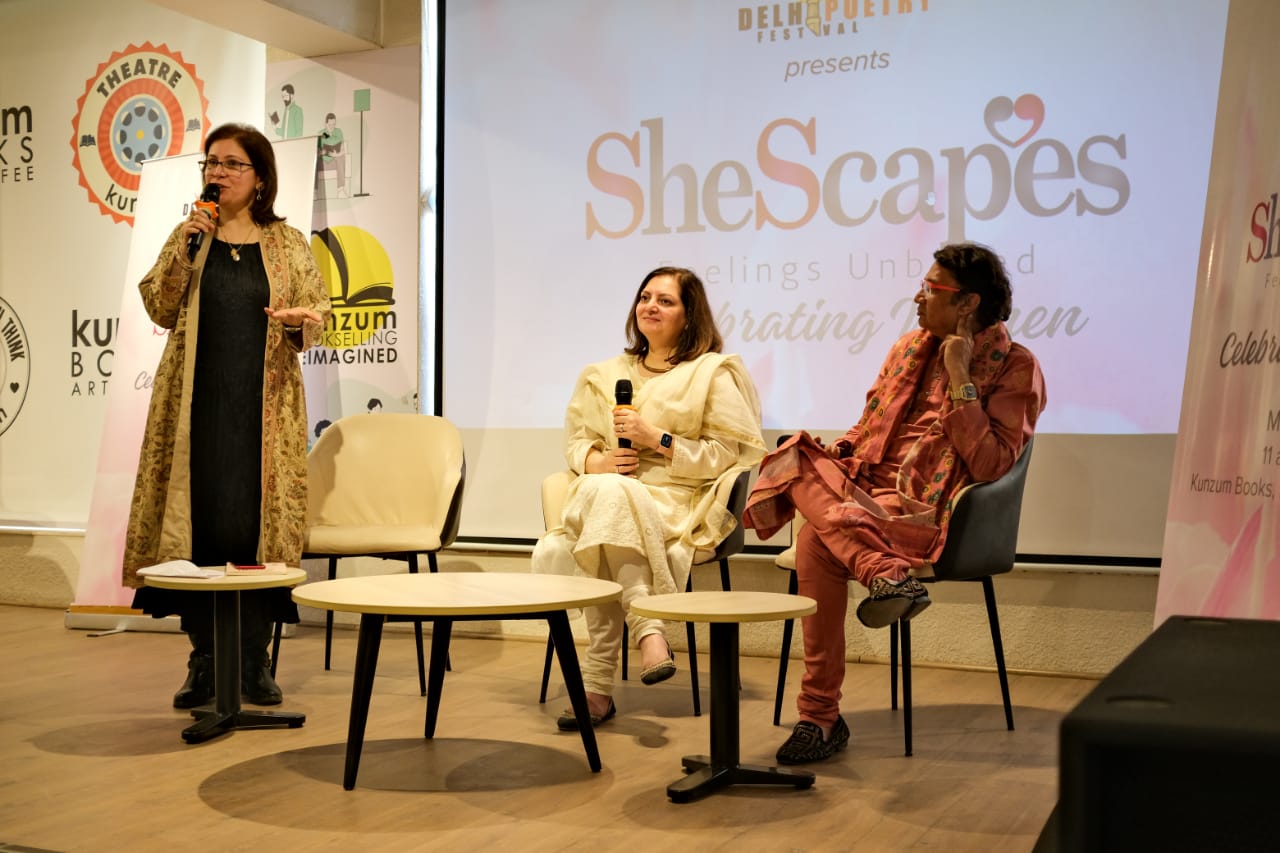
Screening of the Film – “A mind that matters” at the Poetry Festival, Kunzum Books, GK Market – 2, M Block
At the Poetry Festival, Kunzum Books, GK Market – 2, M Block

At the Poetry Festival, Kunzum Books, GK Market – 2, M Block
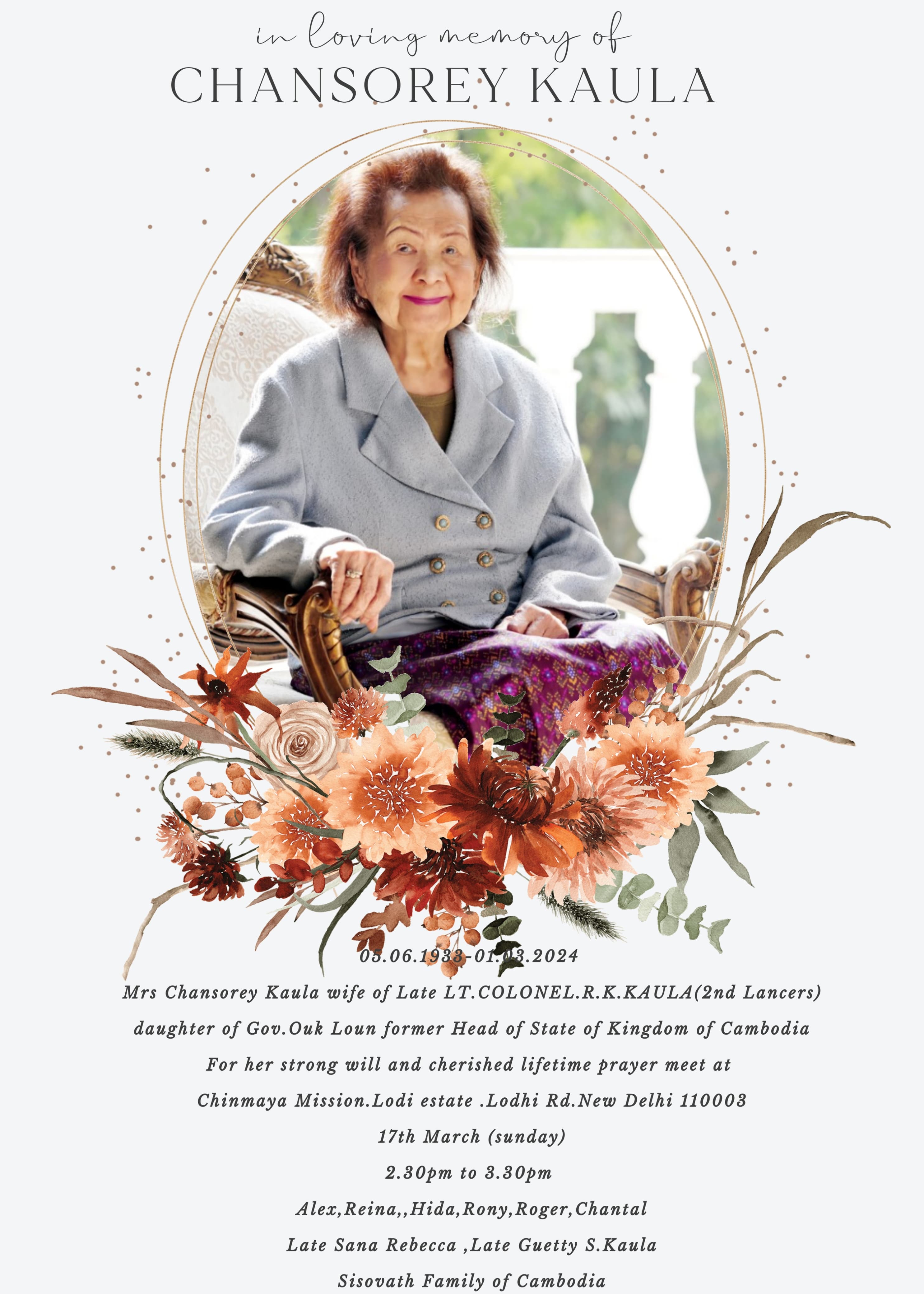
Today, as we gather to remember Auntie Chansorey, I want to take a moment and begin with remembering Uncle. It was always difficult to envision Auntie without him. He was a man of profound thoughts, with a love for the quiet companionship of books. I shared a deep bond with him, which was based on…
Panel discussion with Shobha Gupta, Shweta Bharti, Manisha Chaudhary, Rene and Kritika Krishamurthy
Panel discussion with Mr Amarjit Singh Chandiok, Mr Nakul Dewan, Mr Satvik Verma, Mr Arush Khanna & Mr Shreyas Mehrotra
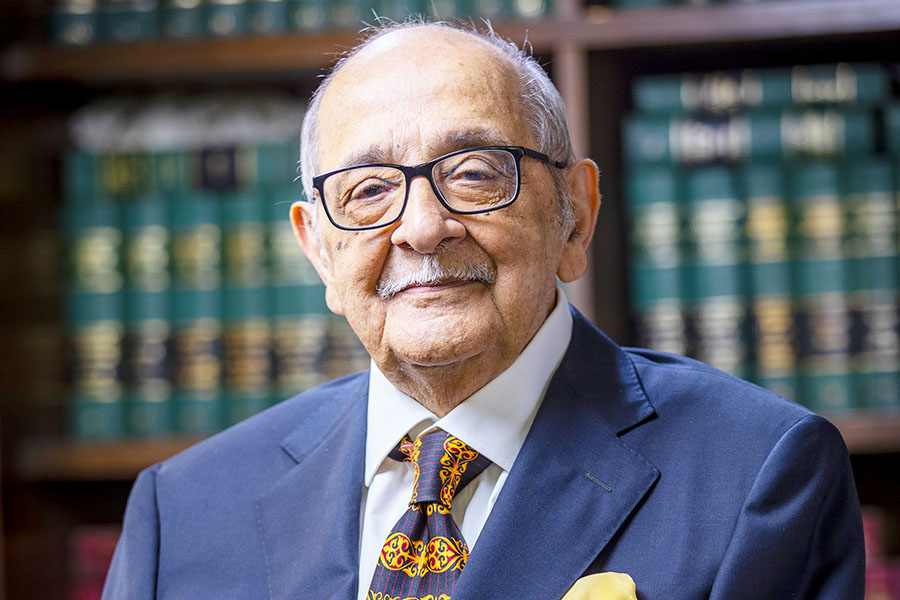
I had hoped for a better day…… and then there was this! I did not know Mr Nariman personally, but as a young lawyer, I had the privilege of being part of a team of lawyers briefing him on matters. Most of those days I was grateful for the senior lawyers in the team, who…
Payal Chawla “Some how our youth have the habit of taking not-so desirable habits from the West. My request is that our youngsters must say – ‘This is my country. I want to work 70 hours a week’. This is exactly what the German and Japanese did after the Second World War.”. Mr. Narayana Murthy…